

Stroke is one of the leading causes of disability and death in Idaho, but rapid recognition and treatment can significantly improve outcomes. Idaho’s Stroke Smart State Initiative strengthens statewide efforts to ensure every resident understands the signs of stroke, calls 911 immediately, and receives timely, coordinated care from the moment symptoms begin. The Stroke Smart initiative aims to change this through community education, hospital engagement, and statewide collaboration.
Recognize, Respond, Rehabilitate, Recover
A stroke occurs when blood flow to the brain is interrupted, and every minute matters. Patients who receive treatment quickly—ideally within the first hour—are three times more likely to recover with little or no lasting disability. Yet many Idahoans still experience delays getting to the hospital, often due to unrecognized symptoms or not calling 911 right away.
DIAL 911, DON'T DRIVE Flyer
Recognize & Respond
Using the BE FAST tool, Idahoans can learn how to spot a stroke quickly. At the first sign of symptoms, calling 911 ensures rapid transport, faster diagnosis, and immediate access to stroke specialists and time‑sensitive treatments. Arriving by private vehicle can delay care because traffic laws must be followed and emergency pathways cannot be bypassed.
BEFAST Flyer
Rehabilitate
Recovery doesn’t end in the emergency department. After the initial medical treatment, many stroke survivors need rehabilitation to regain strength, mobility, communication skills, or daily functioning. Idaho’s stroke system of care includes inpatient rehabilitation centers, long‑term care facilities, outpatient providers, and community clinics working together to support each patient’s recovery journey.
Rehabilitation may include:
• Physical therapy to improve movement, balance, and strength
• Occupational therapy to support daily activities and independence
• Speech‑language therapy to address speech, swallowing, or cognitive challenges
• Emotional and behavioral support for survivors and families adjusting after stroke
Early, consistent rehabilitation can significantly improve quality of life and long‑term outcomes.
Recover
Recovery looks different for every stroke survivor. Some recover quickly with minimal assistance, while others need long‑term support. Idaho’s statewide Stroke Smart approach ensures survivors and families have access to education, resources, and community partners who help guide the recovery process. Hospitals, EMS agencies, public health programs, and community organizations work together to make sure every Idahoan receives the care and support they need—from the onset of symptoms through rehabilitation and long‑term recovery.

Idaho Stroke Awareness Walk
Julius M Kleiner Memorial Park in Meridian
Walk with us and spread the awareness!
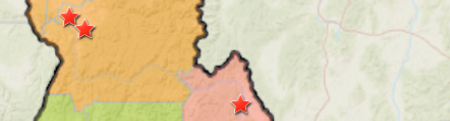
Idaho GIS Map
Featured Articles
Idaho Resources
Adaptive Sports are recreational sports for people with disabilities or who are recovering from a medical condition. Adaptive sports often run parallel to typical sport activities and can be competitive. They allow modifications necessary for people with disabilities and medical conditions, and essentially important to improve mobility and coordination and strengthen muscles. Check out the list below to find an adaptive sport in your area.
| CATEGORY | NAME | LOCATION |
|---|---|---|
| Adaptive Recreation | Boise, ID Sun Valley, ID Teton Valley, ID | |
| Cycling | Adaptive Cycling of Southern Idaho | Twin Falls, ID |
| Horseback Riding | Bellevue, ID Caldwell, ID | |
| River Trips | Splore - This group has joined with the National Ability Center | Salt Lake City, UT |
| Skiing | Boise, ID Sandpoint, ID | |
| Tennis | Idaho Wheelchair Tennis Association | Serving all of Idaho |
Agencies on aging assist people with disabilities to receive resources such as food assistance, respite care, and caregiver support such as housing, adult protective services, insurance guidance, etc. Recovering from a stroke is difficult enough, so finding assistance to help with everyday activities shouldn't be either. Check out the list below to discover what your area can assist you with.
| NAME | LOCATION |
|---|---|
| North Idaho Area Agency on Aging | Coeur d'Alene, ID - Region 1 |
| North Central Idaho Area Agency on Aging | Lewiston, ID - Region 2 |
| Southwest Idaho Area Agency on Aging | Boise, ID - Region 3 |
| South Central Idaho Area Agency on Aging | Twin Falls, ID - Region 4 |
| Southeast Idaho Council of Governments | Pocatello, ID - Region 5 |
| Eastern Idaho Community Action Partnership | Idaho Falls, ID - Region 6 |
Art, from painting to creating music, is very therapeutic for recovering stroke survivors because they are able to open up different areas of the brain as well as increase their strength in visual acuity and fine motor movement. Participants discover new ways of self-expression and are encouraged in their creativity. Tap into your creative spirit by joining one of these classes.
| CATEGORY | NAME | LOCATION |
|---|---|---|
| Arts | Teton Behavior Therapy | Driggs Office 89 N Main St Driggs, ID 83422 (307) 734-6040 |
| Music |
Boise, ID Spokane WA LIVE online video classes |
Rehabilitation helps stroke survivors relearn skills that are suddenly lost when part of the brain is damaged. Depending on the severity of damage to the brain, a stroke survivor may need therapy in physical movement, speech, and memory retention. Here are few websites to help you achieve the best quality of life long-term.
| name | location | Services |
|---|---|---|
| Access Vans | Meridian, Idaho | Provides wheelchair accessible vehicles from new to used to rentals. |
| Brain Injury Alliance of Idaho | Serving all of Idaho | Find various resources such as employment, legal aid, assisted living, assistive technology, caregiver service, transportation, and medication assistance. |
| BreakAway Mobility | Serving Boise and the surrounding area | Provides adaptive mobility equipment from wheelchairs and scooters to lifts to bikes. |
| Cascadia of Boise | Boise, ID | Offering services in ventilator and trach care, physical therapy, occupational therapy, and speech therapy. |
| Idaho Assistive Device | Serving all of Idaho | Find a variety of used equipment for sale, free, or borrow. In partnership with many other participating programs around the state of Idaho. |
| Idaho Spine & Sports Physical Therapy | 4 locations in Boise, ID | Specializing in orthopedic, sports, and manual therapy. |
| Soper's Mobility Aids, LLC | Serving all of North Idaho | Provides various home medical equipment and mobility aids such as walkers, ramps, bathroom safety aids, elevators, and much more. |
| Family Caregiver Navigator | Serving all of Idaho | This program helps caregivers connect with resources throughout Idaho to improve quality of life. |
Support groups are meetings for stroke survivors and their families (or caregivers) to comfortably discuss challenges about stroke with others who have been in a similar situation and keeps them from becoming isolated. Don't forget to check out your local gyms and fitness centers, senior citizen centers, and libraries for additional resources and activities to help you during your recovery.
| name | location & time |
|---|---|
| Mended Hearts of Boise Email or call to get connected with a support group. | Mended Hearts of Boise, Chapter 380 Phone: 208-939-0300 Email: info@mendedhearts.org |
| Stroke Survivors Can! Offer services such as education, early intervention, counseling, employment, housing, financial help, support groups, & devices. | 3023 E Copper Point Dr, Ste 108 Meridian, ID 83642 Phone: 208-484-3190 Email: kevin@strokesurvivorscan.org |
| North Idaho Stroke Support Group This group meets the second Wednesday of the month from 1:30pm - 2:30pm PST | Rehabilitation Hospital of the Northwest 3372 E Jenalan Ave Post Falls, ID 83854 Email: ashleybertagnole@ernesthealth.com |
| Saint Alphonsus Stroke Support Meeting This groups meets the third Friday of the month from 1:00pm - 2:30pm MST | Saint Alphonsus Regional Medical Center 1055 N Curtis Rd Boise, ID 83704 Coughlin Room 1 (or virtually on TEAMS) Herb Mumford herbert.mumford@saintalphonsus.org for instructions on how to attend. |
| St. Luke's Stroke Support Group This group meets the third Thursday of the month from 2:00pm - 3:00pm MST | St. Luke's Meridian Medical Center 520 S Eagle Rd Meridian, ID 83642 Basement Meeting Rooms Email stroke@slhs.org for instructions on how to attend. |
| St. Luke's Magic Valley Stroke Support Group This group meets the second Friday of the month from 1:00pm - 2:00pm MST | This support group is virtual. Email Stephanie Shawver shawvers@slhs.org for instructions on how to attend. |
| Idaho Falls Community Hospital Stroke Support Group This group meets the second Tuesday of the month from 5:00pm - 6:30pm MST | Idaho Falls Community Hospital 2327 Coronado St Idaho Falls, ID 83404 208-528-1000 |
For more information on stroke recovery, please visit the American Stroke Association website: stroke.org.

"The closest thing to being cared for is to
care for someone else."
- Carson McCullers, author