

When Idaho experienced an increase in rabid bats last summer, scientists at the Idaho Bureau of Laboratories were among the many people working behind the scenes to help protect the public.
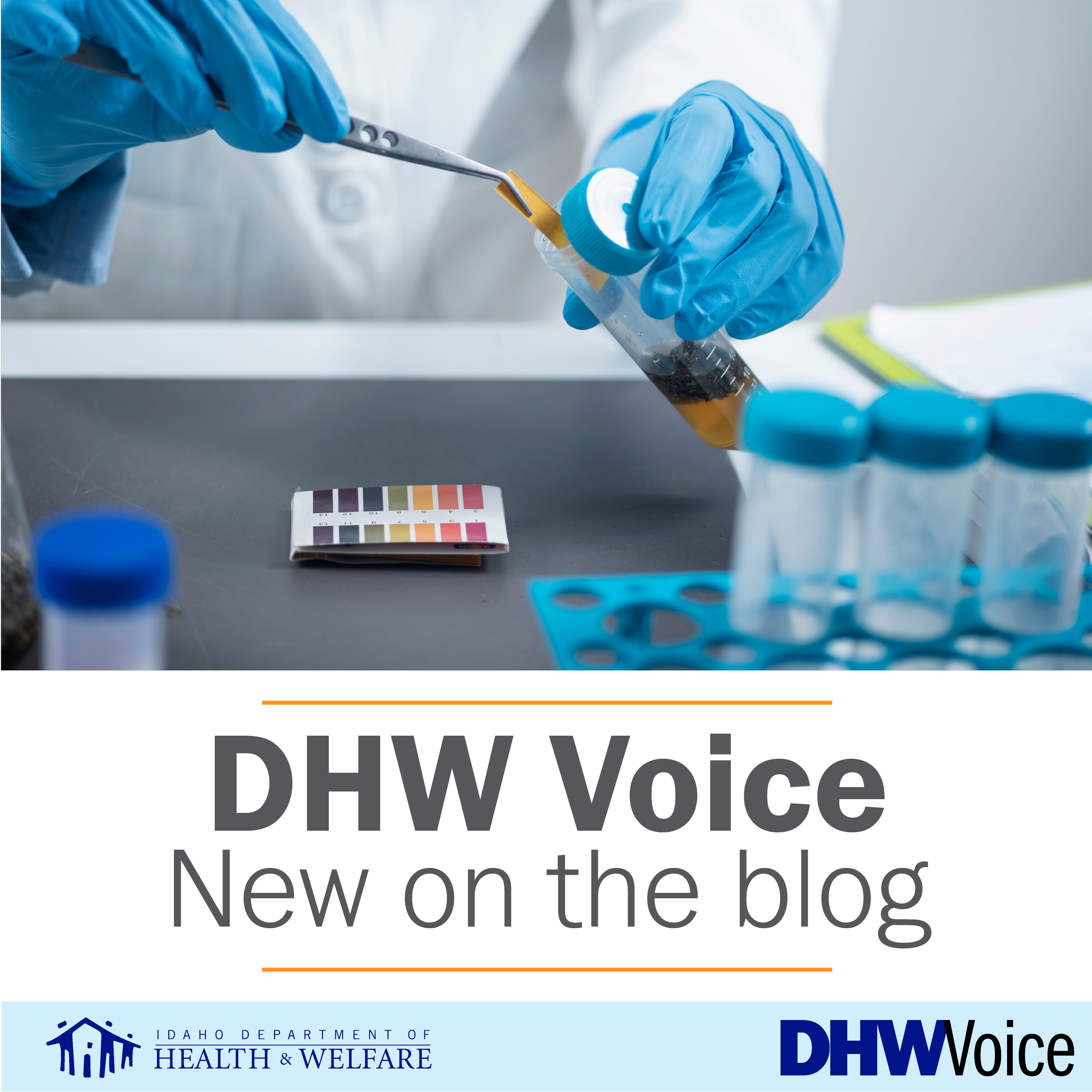
To date this year, the state laboratory identified 35 rabid bats in Idaho, more than in each of the previous three years. The laboratory tests bats and other animals when they may have exposed people, pets, or livestock to rabies virus and returns information that helps public health officials determine whether additional precautions are needed.
Rabies testing, however, is only one example of the work performed at the Idaho Bureau of Laboratories (IBL). As Idaho’s only public health laboratory, IBL helps identify threats to public health and supports disease investigations. This in turn benefits communities and businesses throughout the state.
“Whether we’re testing a bat for rabies, examining drinking water, or helping identify the source of an outbreak, the lab provides information that can help keep Idaho communities safe and healthy,” said IBL Bureau Chief Dr. Christopher Ball.
Almost all of the lab’s work takes place outside public view, but its impact reaches into everyday life every day.
Protecting Idaho’s drinking water
Safe drinking water is not only important, but essential to healthy communities, and IBL plays an important role in identifying contamination and making sure water testing statewide is reliable.
The bureau analyzes water samples for harmful bacteria and chemicals. It also certifies laboratories that test drinking water from public water systems to make sure those labs meet established standards for accuracy and reliability.
Water contamination can disrupt households, schools, businesses, and essential services. Reliable testing helps water system operators and public health officials identify problems and take appropriate action.
Detecting outbreaks and protecting communities
When an infectious disease starts spreading, laboratory testing can provide critical information about what is making people sick and whether individual cases are connected.
IBL helps identify viruses, bacteria, and other disease-causing mechanisms and supports investigations of foodborne illnesses and other outbreaks. Working with state epidemiologists, local public health districts, and other partners, the lab provides evidence that can help investigators trace potential sources of infection and figure out how to respond. As with drinking water, this work also has economic implications. Identifying an outbreak quickly can help public health officials and businesses limit unnecessary disruptions and reduce the potential for more widespread illness.
Preparing for biological and chemical threats
IBL also maintains specialized capabilities to identify biological and chemical threats that could pose serious risks to the public.
As part of the national Laboratory Response Network, the bureau works with laboratories and emergency response partners to recognize, test for, and confirm potentially dangerous biological agents. These capabilities can help distinguish serious threats from false alarms and provide information that’s needed to guide an emergency response.
The bureau also has specialized equipment to test for certain toxic chemicals, including substances that could be involved in accidental exposures or other public health emergencies.
Ensuring reliable laboratory testing and screenings across Idaho
IBL’s work also supports the healthcare system Idahoans depend on for accurate testing, diagnosis, and treatment. The bureau oversees more than 1,400 clinical laboratories throughout Idaho, including laboratories operating in hospitals, clinics, doctors’ offices, and long-term care facilities.
Through inspections, certification oversight, and technical assistance, IBL helps make sure laboratories meet quality standards and produce reliable results.
Another area where IBL’s work directly impacts the health of Idahoans is its X-ray and mammography program. Lab personnel travel the state to test radiological output of all dental X-ray and mammography devices. This work helps ensure that Idahoans are not exposed to excessive radiation when they visit their dentist or receive breast cancer screening.
Supporting Idaho’s public health infrastructure
The value of a public health laboratory isn’t only measured by the number of tests it performs. It’s also reflected in the decisions that testing make possible.
Accurate and timely lab results help public health professionals identify emerging problems, direct resources where they’re needed, and respond to threats before they become widespread. These capabilities also help protect businesses, public infrastructure, and taxpayer resources from the consequences of public health emergencies.
Most Idahoans may never visit the laboratory or meet the scientists who work there. But they benefit from that work every day.
The Idaho Department of Health and Welfare is dedicated to strengthening the health, safety, and independence of Idahoans. Learn more at healthandwelfare.idaho.gov.
Join the Discussion
Please note the following terms of participation in commenting on the DHW Voice blog.
To ensure a productive discussion you agree to post only comments directly related to this post and to refrain from posting obscenities; threatening, abusive or discriminatory language; sexually explicit material; and other material that would violate the law if published here; promotional content; or private information such as phone numbers or addresses. DHW reserves the right to screen and remove inappropriate comments.