

Thanksgiving brings families and friends together around the dinner table, often after hours of planning, cooking, and preparing favorite holiday dishes. With so much activity in the kitchen, it's important to remember that food safety is just as essential as a good recipe.
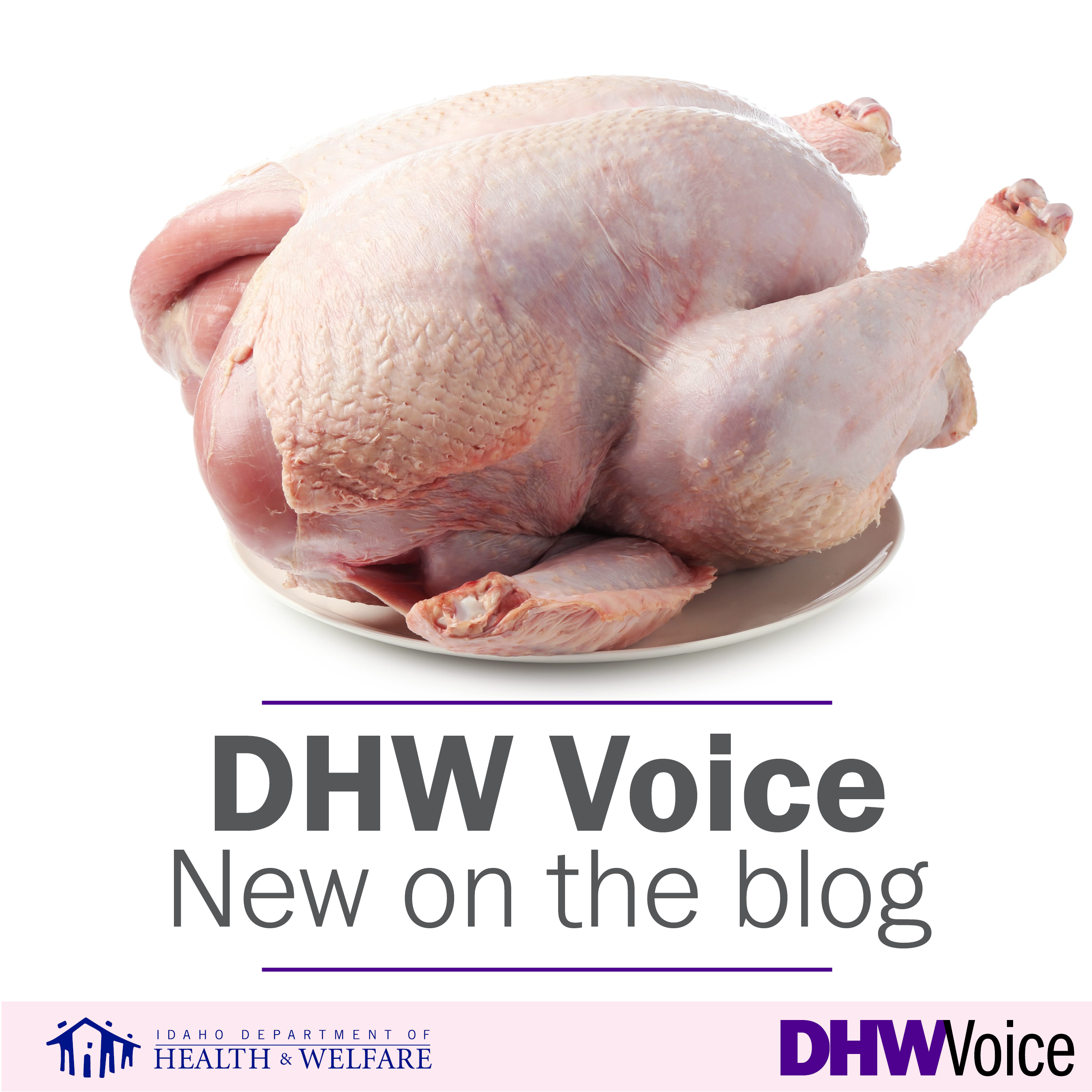
From thawing the turkey to putting away leftovers, a few simple precautions can help prevent foodborne illness. The Nebraska Regional Poison Center, which serves Nebraska, Idaho, and Wyoming, offers these reminders to help keep holiday meals safe.
Before the cooking begins
- Give your turkey time to thaw. A frozen turkey can take several days to thaw safely in the refrigerator. Plan on about 24 hours for every 4 to 5 pounds. Keep the turkey in its original packaging and place it on a tray to catch any drips.
- Never thaw a turkey on the counter. Bacteria can multiply on the outside of the bird even while the center remains frozen. For faster thawing, submerge the turkey in cold water in a leak-proof wrapper, changing the water every 30 minutes. Cook immediately after thawing this way.
- Keep things clean. Wash your hands with soap and warm water for at least 20 seconds before preparing food and after handling raw meat. Clean utensils, cutting boards, and countertops to prevent cross-contamination.
- Stay out of the kitchen when you're sick. If you're experiencing vomiting, diarrhea, or other symptoms of an illness that could spread through food, leave the cooking to someone else.
When it's time to cook
- Check the oven temperature. Roast your turkey at an oven temperature of at least 325°F to ensure it cooks safely and evenly.
- Trust the thermometer, not the clock. Turkey is safe to eat when its internal temperature reaches 165°F. Check the thickest part of the breast, the innermost part of the thigh, and the innermost part of the wing.
- Be careful with stuffing. Cooking stuffing separately is the safest option. If you prefer stuffing inside the turkey, fill the cavity loosely just before cooking. Both the turkey and the center of the stuffing must reach 165°F.
- Keep raw turkey refrigerated. Don't leave a thawed, uncooked turkey sitting at room temperature. Return it to the refrigerator promptly if you're not ready to cook.
After the meal
- Don't let leftovers linger. Refrigerate perishable foods within two hours of serving. Divide large portions into smaller, shallow containers so they cool more quickly.
- Store turkey and stuffing separately. Remove stuffing from the bird before refrigerating, and place both in separate containers.
- Enjoy leftovers while they're fresh. Refrigerated turkey, stuffing, and gravy should generally be eaten within three to four days. Freeze anything you won't use within that time.
- Know when refreezing is safe. Turkey thawed in the refrigerator can be refrozen, although its quality may decline. Turkey thawed in cold water should be cooked before refreezing.
A word about flu season
Respiratory viruses are circulating in Idaho, and influenza is the main illness causing Idahoans to seek healthcare right now. Symptoms of the flu include fever, cough, sore throat, runny nose, body aches, headache, chills, or fatigue.
In addition to being up to date on vaccines, everyone can cover coughs and sneezes, wash hands frequently, and stay home when sick.
Thanksgiving should be remembered for good food and time spent with loved ones, not an unexpected case of food poisoning or flu. Taking a little extra care before, during, and after the meal can help everyone enjoy the holiday safely.
The Idaho Department of Health and Welfare is dedicated to strengthening the health, safety, and independence of Idahoans. Learn more at www.healthandwelfare.idaho.gov.
Join the Discussion
Please note the following terms of participation in commenting on the DHW Voice blog.
To ensure a productive discussion you agree to post only comments directly related to this post and to refrain from posting obscenities; threatening, abusive or discriminatory language; sexually explicit material; and other material that would violate the law if published here; promotional content; or private information such as phone numbers or addresses. DHW reserves the right to screen and remove inappropriate comments.