

The first heat-related deaths in Idaho this year have been reported to public health officials at the Department of Health and Welfare. Three Idaho residents, all over the age of 55, died in the past week when temperatures in Idaho exceeded 90 degrees. All three lived in different communities across southern Idaho.
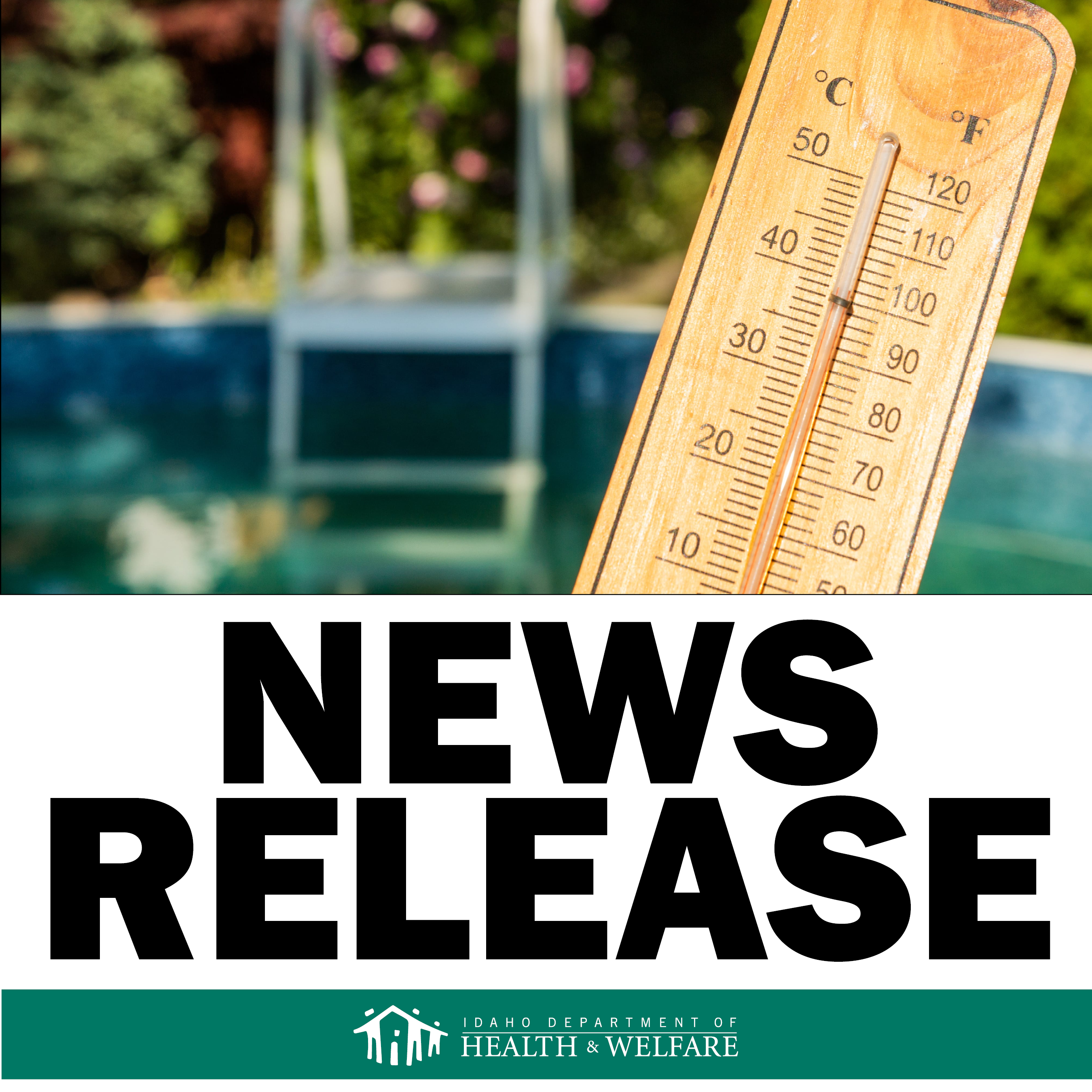
Anyone can get heat-related illness, but those at greater risk are young children, adults older than 50, people who are overweight or have underlying health conditions or take certain medications that reduce the body’s ability to stay cool, and those who work or exercise outdoors.
Be aware of symptoms of heat-related illness and how to treat them
The most serious type of heat-related illness is heatstroke, a medical emergency. Symptoms may include high body temperature; hot and red skin, confusion or seizures, nausea, dizziness, and fainting. If someone experiences these symptoms and cannot quickly get medical care, call 911 right away. Move to a cooler place and use cool wet cloths or ice on the head, neck, armpits, and groin, or soak clothing with cool water or give a cool bath to help lower body temperature. Speed cooling with a fan. Do not give a person with heatstroke anything to drink, as they may not be able to swallow correctly and could inhale the fluid instead of swallowing it.
Heat exhaustion may occur before symptoms of heatstroke. Symptoms may include tiredness, weakness, irritability, thirst, headache, nausea, muscle cramps, and cold, clammy skin. Someone experiencing these symptoms should move to a cool place, loosen clothes, use cool cloths or a cool bath to help lower body temperature, and sip cool water frequently. Get medical help right away if vomiting starts, symptoms get worse, or symptoms last longer than an hour.
With temperatures expected to remain in the 90s or higher across much of Idaho in the coming weeks, it's important to have a plan to prevent heat-related illness by staying cool and well-hydrated. Never leave children or pets unattended in a parked vehicle. Even during relatively mild weather, temperatures inside a car can rise rapidly to dangerous levels. To reduce your risk of heat-related illness:
- Wear lightweight, loose-fitting clothing
- Limit outdoor activity to the coolest hours of morning and evening
- Stay in the shade as much as possible
- Take breaks often
- Drink plenty of fluids – at least one cup of water every 15–20 minutes for moderate activities lasting less than two hours. Don’t wait until you are thirsty to drink.
- Avoid alcohol and drinks with high caffeine or sugar
- Replace salt and minerals with a low-sugar sports drink. Talk to your doctor first if you are on a low-salt diet, have diabetes, high blood pressure, or other chronic conditions.
- Stay informed about temperature forecasts and extreme heat alerts by checking your local news orwww.weather.gov. Monitor your companions when recreating or working in the heat.
Additional resources:
- CDC's Natural Disasters and Severe Weather — Extreme Heat: https://www.cdc.gov/disasters/extremeheat/index.html
- CDC’s Heat Risk Dashboard: https://ephtracking.cdc.gov/Applications/HeatRisk/
- National Weather Service Heat Safety Tips and Resources:https://www.weather.gov/safety/heat
The Idaho Department of Health and Welfare is dedicated to strengthening the health, safety, and independence of Idahoans. Learn more at healthandwelfare.idaho.gov.