

Reports of rat sightings in the Treasure Valley have risen in recent years, with residents sharing concerns on neighborhood platforms and seeking ways to protect their homes. While these rodents are often associated with larger urban areas such as Los Angeles and New York City, reports of rat sightings in Idaho communities have been increasing recently and highlight the importance of awareness and prevention.
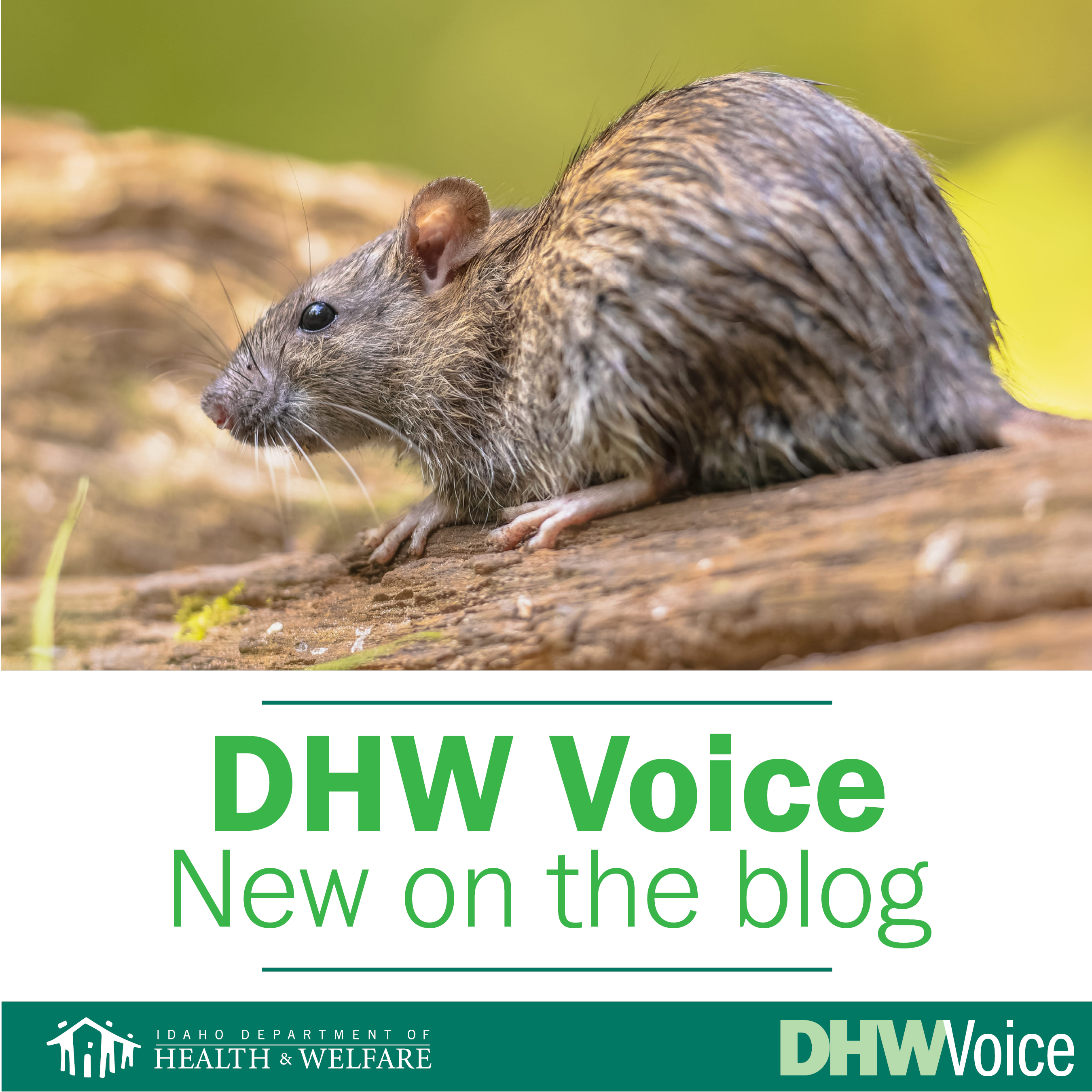
The two common rat species in Idaho are the non-native Norway rat and the roof rat. The Norway rat is sometimes called a sewer or street rat. Norway rats thrive in environments where food, water, and shelter are readily available, including dumps, sewers, open fields, and residential neighborhoods. Roof rats are a smaller and more agile species that are strong climbers and can get into homes by way of trees and utility lines through small openings, making attics and roofs particularly vulnerable.
From a public health perspective, rats in the Treasure Valley are concerning because they can carry and spread diseases to humans. Exposure can occur through contact with rat droppings, urine, saliva, or through bites and scratches. Some of the most notable health risks that have been reported to be related to rats include:
- Plague, which can cause fever, chills, swollen lymph nodes, and pneumonia, is usually transmitted when infected fleas jump from rats, or other carriers to humans, especially after rats die
- Leptospirosis, which can lead to kidney and liver damage
- Flea-borne typhus, which can cause fever, chills, headache, and rash
- Salmonellosis, a gastrointestinal illness, which can result from contamination of food or water by rat feces.
- Hemorrhagic fever with renal syndrome
- Injuries and rat-bite fever from rat bites
- Allergic reactions to proteins in rat urine, causing nose, eye, skin, throat, and lung symptoms
- Smoke inhalation and burns from fire caused by rats chewing through electrical wires
Norway rats and roof rats do not carry strains of hantavirus that cause lung disease, like the Andes virus currently in the news or Sin Nombre virus found in Idaho. They could carry a hantavirus that causes kidney disease, although the risk to people in the United States is low. Precautions taken to protect yourself against other diseases they carry will also reduce the risk for hantavirus.
Reducing rat populations requires consistent prevention efforts. You can lower your chance of having rats on your property by eliminating food and water sources, limiting shelter, and generally securing your home:
- Keep garbage in tightly sealed containers and avoid leaving pet food or birdseed outside
- Clean up fallen fruit and other food sources around yards
- Trim trees and vegetation away from roofs and structures
- Seal cracks, gaps, and openings around doors, windows, vents, and crawl spaces
- Cover vents and rooftop plumbing vent pipes more than 2”in diameter with wire mesh
If you find evidence of rats in your home (rat droppings, noises from the attic or drop ceiling, smudge marks where rat fur rubs against beams or walls, drowned rats in swimming pools or hot tubs), you can also:
- Install rat-sized snap traps where rats run and where children, pets, and birds can’t reach them
- Place bait stations where children, pets and other wildlife can’t reach them by securely fastening them so the stations can’t fall down.
- Contact a professional exterminator
To clean up after a rat infestation do not vacuum or sweep up rodent droppings. Wear water-proof disposable gloves, use a general purpose household disinfectant cleaning product or a bleach solution, and follow the instructions at https://www.cdc.gov/healthy-pets/rodent-control/clean-up.html. If rodent infestation is heavy, additional precautions are recommended.
Although rats are highly adaptable and may not be fully eliminated, proactive prevention and public awareness can significantly reduce their impact. Addressing rat activity as a shared public health concern — rather than an isolated nuisance — helps protect individual households and the community.
Resources:
- EPA’s Controlling Rodents and Regulating Rodenticides:
https://www.epa.gov/rodenticides
- City of Boise Rodent Prevention page:
https://www.cityofboise.org/residents/rodent-prevention/
The Idaho Department of Health and Welfare is dedicated to strengthening the health, safety, and independence of Idahoans. Learn more at healthandwelfare.idaho.gov.
Join the Discussion
Please note the following terms of participation in commenting on the DHW Voice blog.
To ensure a productive discussion you agree to post only comments directly related to this post and to refrain from posting obscenities; threatening, abusive or discriminatory language; sexually explicit material; and other material that would violate the law if published here; promotional content; or private information such as phone numbers or addresses. DHW reserves the right to screen and remove inappropriate comments.