

When a child’s safety is at risk, there is no room for ambiguity.
That’s why Idaho is strengthening the laws that guide some of the most important decisions we make in child welfare.
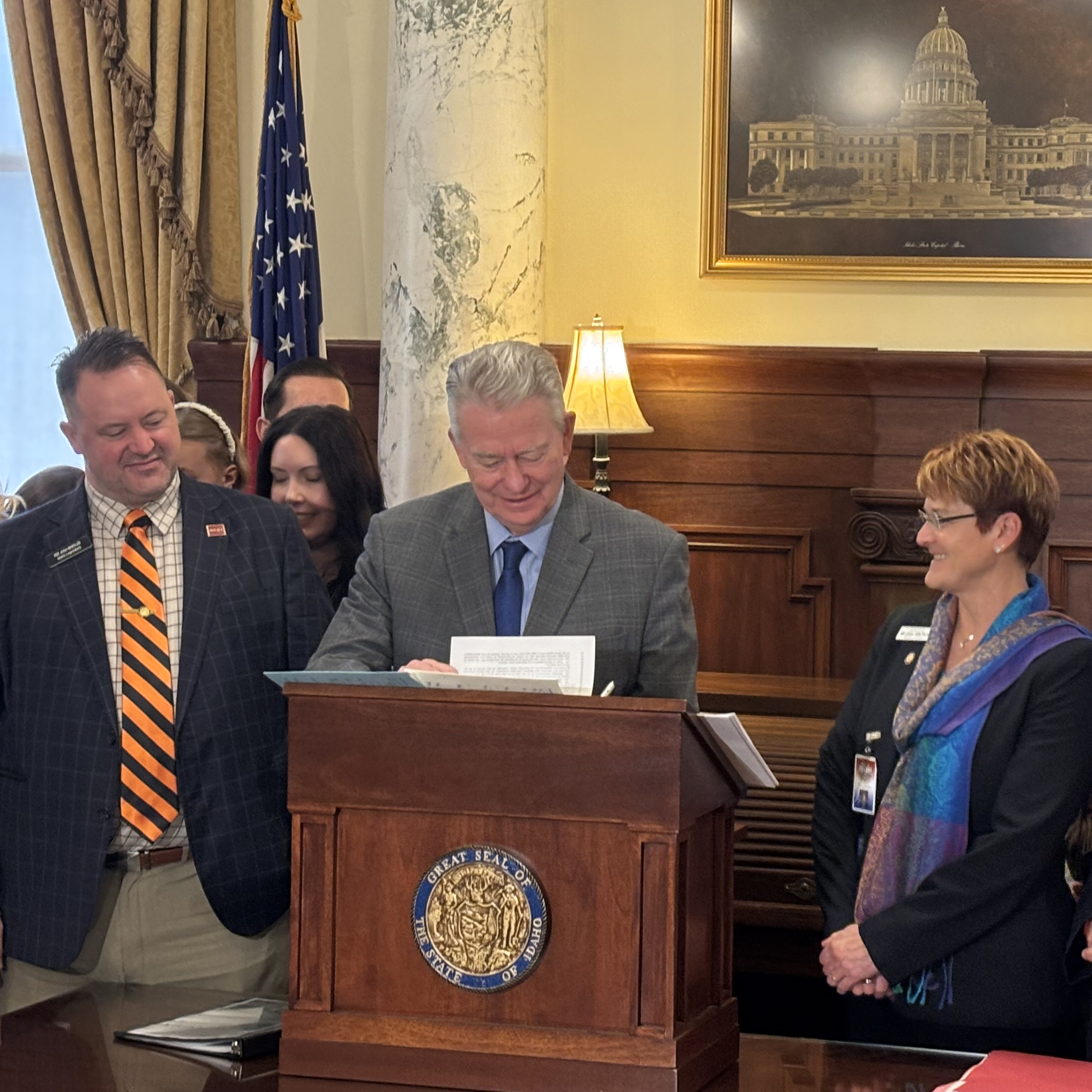
At the Idaho Department of Health and Welfare, our responsibility is clear: protect children, support families, and ensure our systems are working as intended. This week, two new laws were signed that strengthen Idaho’s child welfare system and reinforce that commitment.
Putting safety first in visitation decisions
Senate Bill 1257 addresses one of the most complex areas in child welfare — visitation between children and their parents.
These decisions are rarely simple. They require balancing family connection with real concerns about safety, often in difficult and evolving circumstances.
This law makes something clear: when there are concerns about a child’s safety, those concerns must come first.
It provides clearer direction to caseworkers and courts, supporting case-by-case decisions based on the specific risks and needs of each situation. That clarity matters. It helps ensure decisions are consistent, thoughtful, and centered on the well-being of the child.
Clarifying rights for youth in foster care
House Bill 724 establishes a bill of rights for youth in foster care.
At its core, this law reinforces something we should never lose sight of — children in foster care are not just part of a system. They are the reason the system exists.
By clearly outlining their rights, this law promotes transparency, strengthens accountability, and helps ensure young people understand what they should expect while in care.
A third measure, Senate bill 1292, also contributes to this work by strengthening safeguards within Idaho’s child welfare system by ensuring foster parents receive appropriate training. Taken together, these updates reflect a broader effort to provide clearer expectations, stronger protections, and more consistent outcomes for children and families.
Progress takes many forms
Last year, Idaho made significant investments in child welfare services. Those investments continue this year by strengthening the system through policy.
That matters.
Because improving outcomes for children doesn’t always require new funding. Sometimes it requires clearer expectations, better guidance, and a shared commitment to doing this work well.
Continuing the work
These new laws reflect thoughtful collaboration and a shared commitment to protecting Idaho’s children.
I’m grateful to the legislators, staff, and partners who contributed to this effort — and to the many professionals across our state who carry out this work every day.
We will continue to build on this progress, always with a focus on safety, accountability, and better outcomes for the children and families we serve.
The Idaho Department of Health and Welfare is dedicated to strengthening the health, safety, and independence of Idahoans. Learn more at healthandwelfare.idaho.gov.
Join the Discussion
Please note the following terms of participation in commenting on the DHW Voice blog.
To ensure a productive discussion you agree to post only comments directly related to this post and to refrain from posting obscenities; threatening, abusive or discriminatory language; sexually explicit material; and other material that would violate the law if published here; promotional content; or private information such as phone numbers or addresses. DHW reserves the right to screen and remove inappropriate comments.